

click below to login to your secure account
By Matt Harris, CFA
Senior Portfolio Advisor
HilltopSecurities Asset Management
From Shadow Banking to Private Credit
Since the 2008 Great Financial Crisis, banks have faced higher capital and liquidity constraints. One outcome has been a rise in non‑bank lending to mid-sized companies. This market has grown rapidly to around $2 trillion in assets, roughly half the size of the U.S. municipal bond market. The range of lending strategies has expanded well beyond traditional corporate loans to include equipment finance, asset‑based lending, aviation, agriculture, and other specialty finance niches. Large asset managers such as Apollo and Blackstone have suggested that, over time, private credit could grow dramatically larger, rivaling the scale of traditional public debt markets.
Sometimes, there’s confusion between private equity and private credit. Private equity firms buy companies, while private credit firms lend to them. Although many large alternative managers operate in both spaces, the strategies, risks, and returns can vary. Within private credit, structures range from senior secured direct loans to mezzanine debt and preferred equity. These investments are generally illiquid, held for long periods, and designed to generate higher yields versus public bonds. They also tend to operate with less transparency and regulatory oversight than traditional bank lending.
Redemptions and Concerns
Over the last few years, private credit has absorbed massive inflows from pension funds, insurance companies, and retail investors, which were then deployed across the lending market. Toward the end of 2025, cracks began to emerge. One high profile example was the failure of Tricolor, a Dallas‑based subprime auto lender reliant on private asset‑backed lending. During liquidation, lenders uncovered issues including double‑pledging of collateral and fraudulent borrower data. Many called it idiosyncratic, but the case heightened scrutiny across the asset class.
Prominent voices have issued warnings. JPMorgan CEO Jamie Dimon has cautioned that losses in private credit may be larger than investors anticipate, given market opacity and delayed valuations. In a memorable remark last year, Dimon said that when one problem credit appears, “one cockroach,” more are often hiding nearby.
Since then, defaults have risen modestly, refinancing activity has slowed, and investor focus has shifted toward risk management. A visible sign of caution has appeared in Business Development Companies (BDCs), public funds that invest primarily in private credit. Many BDCs have traded at discounts to their net asset value, reflecting concerns around credit quality, valuation delays, and potential write‑downs.
Redemption pressure has also emerged in private credit funds. Blue Owl Capital, one of the largest dedicated private credit managers, has reported elevated redemption requests, with company disclosures indicating requests equal to roughly 22% of fund assets last quarter. Across the industry, redemption requests have reached as much as $10 billion at times among the largest funds. In response, firms such as KKR have exercised redemption restrictions, as most funds are capped at 5% per quarter.
At Blackstone, their flagship Private Credit Fund experienced a high level of redemptions, about 8% of the fund, exceeding the normal quarterly limit. To cover the shortfall, management took the unusual step of investing employee capital directly into the fund. The move was widely viewed as a symbolic show of confidence in the portfolio.
Private Credit & Public Funds
Governmental entities remain largely insulated from direct exposure to private credit due to legal limitations, liquidity requirements, and conservative investment guidelines. However, indirect risks persist throughout the financial system. Banks play a meaningful role in financing the private‑credit, both through direct lending and the provision of short‑term funding facilities. Wall Street banks have disclosed at least $150 billion of exposure to private‑credit firms. Also, in October of last year, two regional banks stated in regulatory filings that they were victims of fraud related to loans extended to a distressed‑debt investor, announcing significant write‑downs.
These risks extend into short‑term funding markets, including commercial paper and other wholesale funding channels. Stress within private credit can pressure balance sheets, tighten funding conditions, and amplify rollover risk. Broader investor concerns around transparency, underwriting, and credit risk can quickly spill over into commercial paper markets and other liquidity‑sensitive segments during periods of market stress.
The U.S. Treasury Department has been requesting private credit firms disclose information about their business models and connections to the regulated financial system. Treasury Secretary Scott Bessent commented in April that “none of our work has shown there would be a systemic problem” regarding private credit.
That said, private credit concerns are real and worth monitoring, but they do not currently present a reason for panic. At roughly $2 trillion, private credit represents only about 3% of U.S. household and corporate debt, small relative to sectors that have historically driven systemic crises. By comparison, mortgage debt accounted for roughly 60% of total debt prior to the 2008 Great Financial Crisis. In addition, private credit funds generally operate with lower leverage than banks, feature limited redemption options, and benefit from banking counterparties that maintain loss‑absorption buffers. These features reduce the risk of forced and disorderly selling, suggesting the current environment calls for diligence and discipline rather than alarm. Wall Street will continue looking for cockroaches.
About Scott McIntyre, CFA
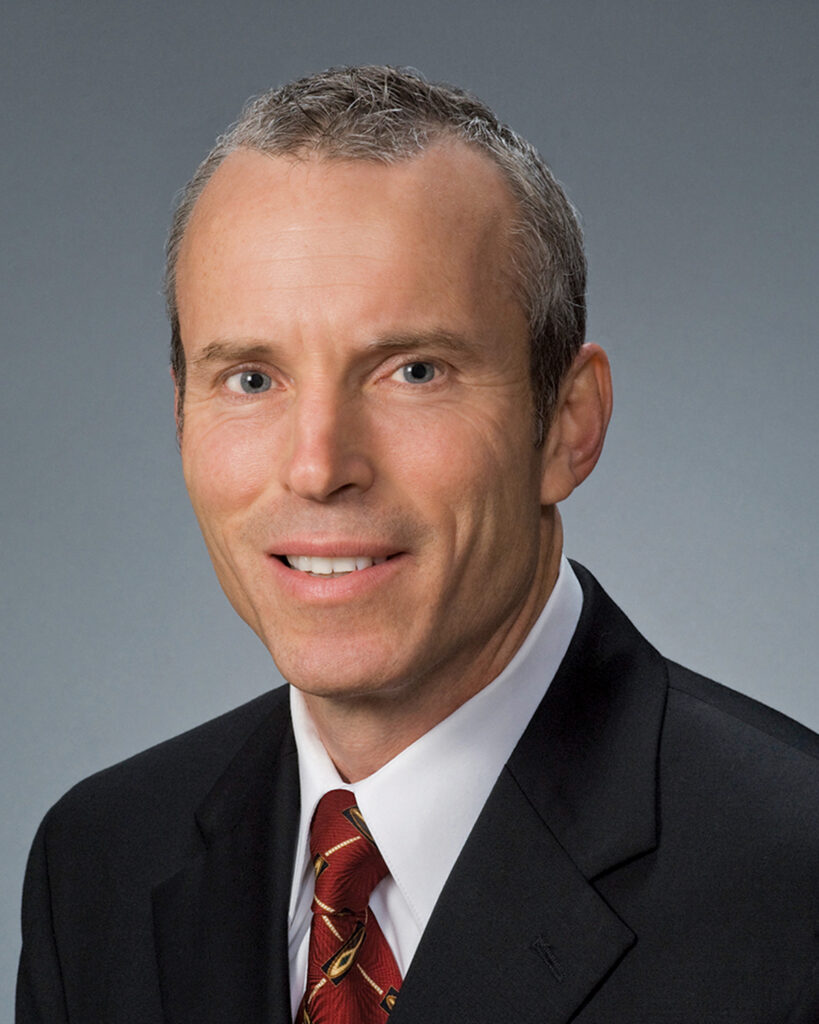 As HilltopSecurities Asset Management’s Co-Head of Investment Management, Scott McIntyre specializes in investment management services and is responsible for the management, oversight and trade supervision of more than $30 billion in institutional fixed income assets for HilltopSecurities’ public sector municipal clients. Scott also provides investment advice and consulting, reviews local government investment policies, formulates overall investment strategies, evaluates account performance and oversees the day-to-day operations. He is a member of the Chartered Financial Analyst (CFA) Institute and a CFA Charterholder, a two-term advisor to the GFOA Treasury and Investment Management (TIM) committee, a Registered Investment Advisor, and holds FINRA Series 7, 24, 63, and 65 licenses.
About Greg Warner, CTP
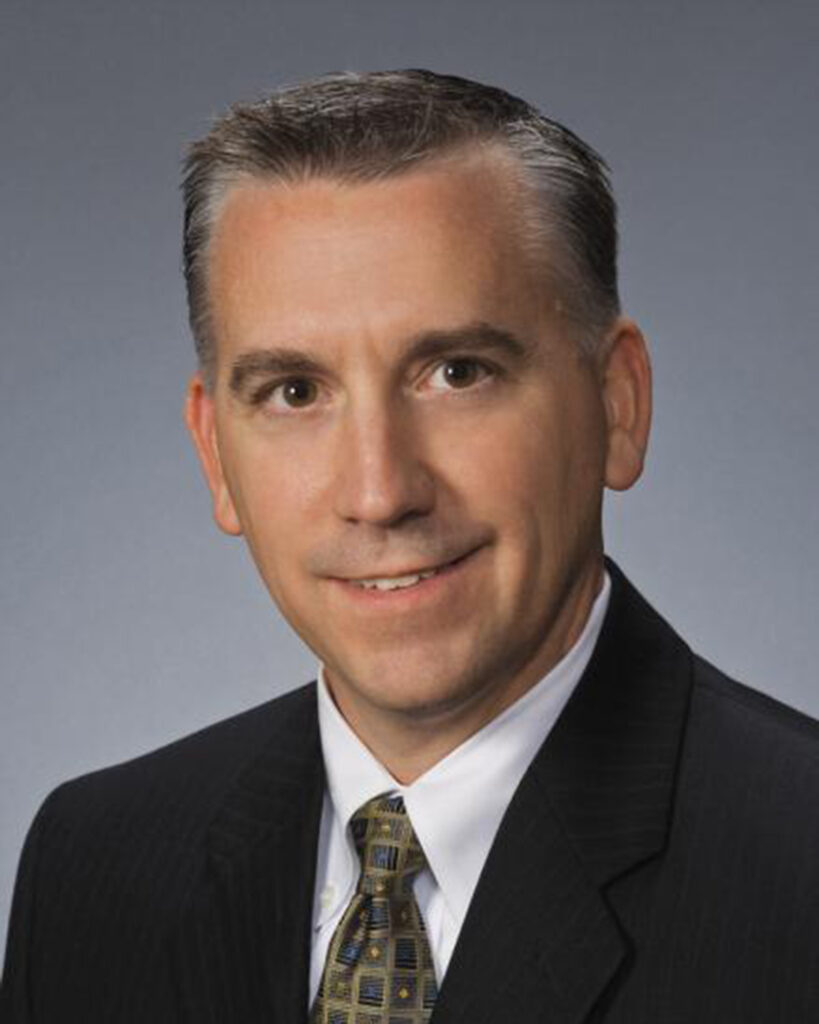 As HilltopSecurities Asset Management’s Co-Head of Investment Management, Greg Warner specializes in investment management services and is responsible for the management and oversight of more than $30 billion in institutional fixed income assets for HilltopSecurities’ public sector municipal clients. Greg coordinates all client services and portfolio management duties, including security evaluation and portfolio analysis, trading, investment reporting, board presentations, and monitoring of broker-dealer relationships. He is an advisory committee member to the Texas Association of Counties, a member of the Government Treasurers’ Organization of Texas (GTOT), a Registered Investment Advisor, a Certified Treasury Professional (CTP) and holds FINRA Series 7, 63, and 65 licenses.
About Matt Harris, CFA
 As HilltopSecurities Asset Management’s Senior Portfolio Advisor, Matt Harris specializes in investment management services for public sector municipal clients. He developed his experience in the banking industry, supporting balance sheet management, interest rate risk analysis, liquidity planning, and investment strategy implementation. At HilltopSecurities, he works closely with clients to develop and implement customized investment strategies, oversees account documentation and reporting, and assists clients with the public funds depository review process, including competitive RFP evaluations. Harris is a member of the CFA Institute and a CFA Charterholder, a Registered Investment Advisor, and holds FINRA Series 7, 63, and 66 licenses.
The paper/commentary was prepared by HilltopSecurities (HTS). It is intended for informational purposes only and does not constitute legal or investment advice, nor is it an offer or a solicitation of an offer to buy or sell any investment or other specific product. Information provided in this paper was obtained from sources that are believed to be reliable; however, it is not guaranteed to be correct, complete, or current, and is not intended to imply or establish standards of care applicable to any attorney or advisor in any particular circumstances. The statements within constitute the views of HTS as of the date of the document and may differ from the views of other divisions/departments of Hilltop Securities Inc. and its affiliates. In addition, the views are subject to change without notice. This paper represents historical information only and is not an indication of future performance. This material has not been prepared in accordance with the guidelines or requirements to promote investment research, it is not a research report and is not intended as such. Sources available upon request.
Hilltop Securities Inc. is a registered broker-dealer, registered investment adviser and municipal advisor firm that does not provide tax or legal advice. HTS is a wholly owned subsidiary of Hilltop Holdings, Inc. (NYSE: HTH) located at 717 N. Harwood St., Suite 3400, Dallas, Texas 75201, (214) 859-1800, 833-4HILLTOP.